November 8, 2026
Combining a Zanzibar Beach Stay with a Serengeti Safari
By @getserengetisafarifromexpert
Zanzibar draws visitors with its white sand beaches, turquoise waters, and relaxed island atmosphere. Many travellers begin their trip expecting to spend the entire holiday on the coast. Yet the island also works as a launch point for one of Africa’s greatest wildlife experiences. A Serengeti safari from Zanzibar is a practical way to add a few days of game viewing to a beach holiday without a complicated second itinerary.
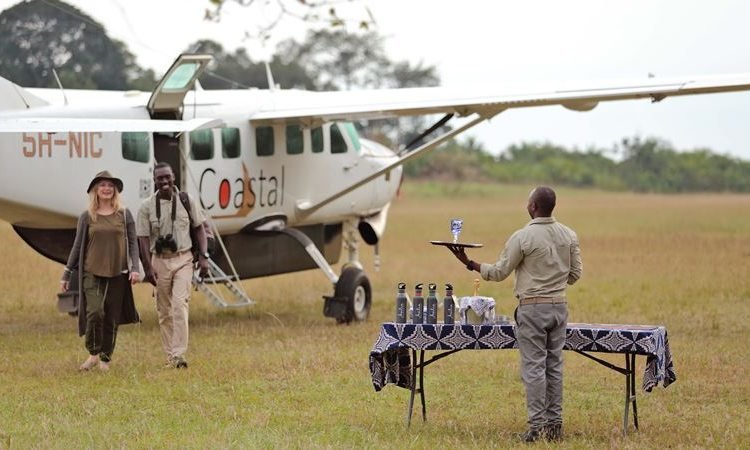
Flying from Zanzibar to the mainland cuts out long road transfers and saves days of travel. Instead of driving from the coast through busy towns, you board a short flight to an airstrip close to the national park. This approach suits anyone who wants to see the Serengeti but does not have the time or energy for an overland journey from the island. The flight itself is straightforward, and tour operators arrange the logistics so that you move between environments smoothly.
What a Fly-In Safari Involves
A fly-in safari typically means a small plane or charter flight from Zanzibar to a bush airstrip near the Serengeti. The flight lasts roughly an hour or two, depending on the route and the aircraft. Once you land, a guide meets you and begins the game drive almost immediately. This setup allows you to be on safari by midday, even if you left your hotel in Zanzibar after breakfast.
The main advantage is time. A standard road transfer from Zanzibar to the Serengeti involves a ferry to the mainland, then a full day of driving through dusty roads and small towns. That eats at least two days of a short holiday. A fly-in option compresses the same experience into a morning. For travellers on a one-week trip, this makes the difference between seeing the Serengeti and skipping it.
The other benefit is comfort. Long drives in hot vehicles can be tiring, especially after a beach stay where the pace is slow. Flying keeps you fresh and ready for game drives. It also reduces the amount of time spent on transfers, leaving more hours in the park itself.

Planning Your Days in the Serengeti
Most fly-in safaris from Zanzibar run for two or three days. That is enough time for several game drives and a night or two in a lodge or tented camp. The Serengeti is vast, so guides concentrate on areas where wildlife is most active during your visit. The Serengeti safari from Zanzibar works best when you trust your guide to choose the right sector based on the season and recent animal movements.
During the dry months, animals gather around rivers and waterholes. The central and southern parts of the park are usually reliable for lion, leopard, and large herds of zebra and wildebeest. In the wet season, the herds spread out, but predators remain visible near the remaining water sources. Your guide will adjust the route each day rather than follow a fixed plan.
Accommodation on a short safari ranges from permanent lodges with en-suite bathrooms to mobile camps that sit closer to the wildlife. For a two-night stay, a permanent lodge is often more comfortable because you do not have to pack and unpack each day. If you prefer to be right in the action, a camp near a river or a migration corridor offers a more immersive experience.
Combining Wildlife with Beach Time
The idea of a wildlife and beach holiday is not new, but it has become easier to arrange in Tanzania because of the flights between Zanzibar and the Serengeti. You can spend five days on the coast, then fly to the mainland for a three-day safari, and return to Zanzibar for your international flight. The transition feels natural because the two experiences are so different. The beach relaxes you; the safari energises you.
Packing for both environments requires some thought. Zanzibar is hot and humid, with temperatures rarely dropping below 25°C. The Serengeti can be warm during the day but cool in the early morning and evening, especially from June to September. Light layers, a fleece or jacket for game drives, and comfortable walking shoes for lodge grounds are useful. Binoculars and a camera with a zoom lens matter more than extra clothes.
Many travellers ask whether they should do the safari first or the beach first. There is no single answer. Doing the safari first means you arrive in Zanzibar afterwards with nothing to do but rest, which can feel anticlimactic if you are used to constant activity. Doing the beach first allows you to build up to the safari, ending the trip on a high note. However, some people prefer to get the active part out of the way and then unwind. Consider your own energy levels and travel style.
Other Parks Worth Considering
If you have extra days, a tailor-made tour can include other parks near the Serengeti. The Ngorongoro Crater is a collapsed volcano with a dense concentration of wildlife on its floor. The descent into the crater reveals a landscape unlike anywhere else in Tanzania, and the chances of seeing black rhino are higher there than in many other areas.
Lake Manyara offers a different scene: tree-climbing lions, large flocks of flamingos, and lush ground water forests. It is smaller than the Serengeti, so a half-day game drive can cover most of the park. Tarangire National Park is famous for its elephant herds and baobab trees. It lies south of the Serengeti ecosystem and gets fewer visitors, which means a quieter experience. Including any of these parks adds variety to a safari itinerary without requiring much extra travel time, especially if you fly between locations.
Practical Considerations
Visas for Tanzania cover both Zanzibar and the mainland, so you do not need separate paperwork for the safari part. Check that your passport has at least two blank pages and that your visa is valid for the entire stay. Most nationalities can apply for a visa online before departure, which saves time at the airport.
Health precautions are similar for both destinations. Malaria is present in Zanzibar and on the mainland, so prophylaxis is recommended. The Serengeti sits at a higher altitude than the coast, but the difference is not extreme; most people do not notice it. Yellow fever vaccination is required if you are arriving from a country where the disease is present, but it is not mandatory for direct travel from Europe or North America. Check the latest requirements before you travel.
Travel insurance should cover both beach activities and safari. Some policies exclude game drives or limit coverage for medical evacuation from remote areas. Read the fine print and consider a policy that includes evacuation from a bush airstrip. Also, confirm that your insurance covers the flight between Zanzibar and the mainland in case of delays or cancellations.
What to Expect on Game Drives
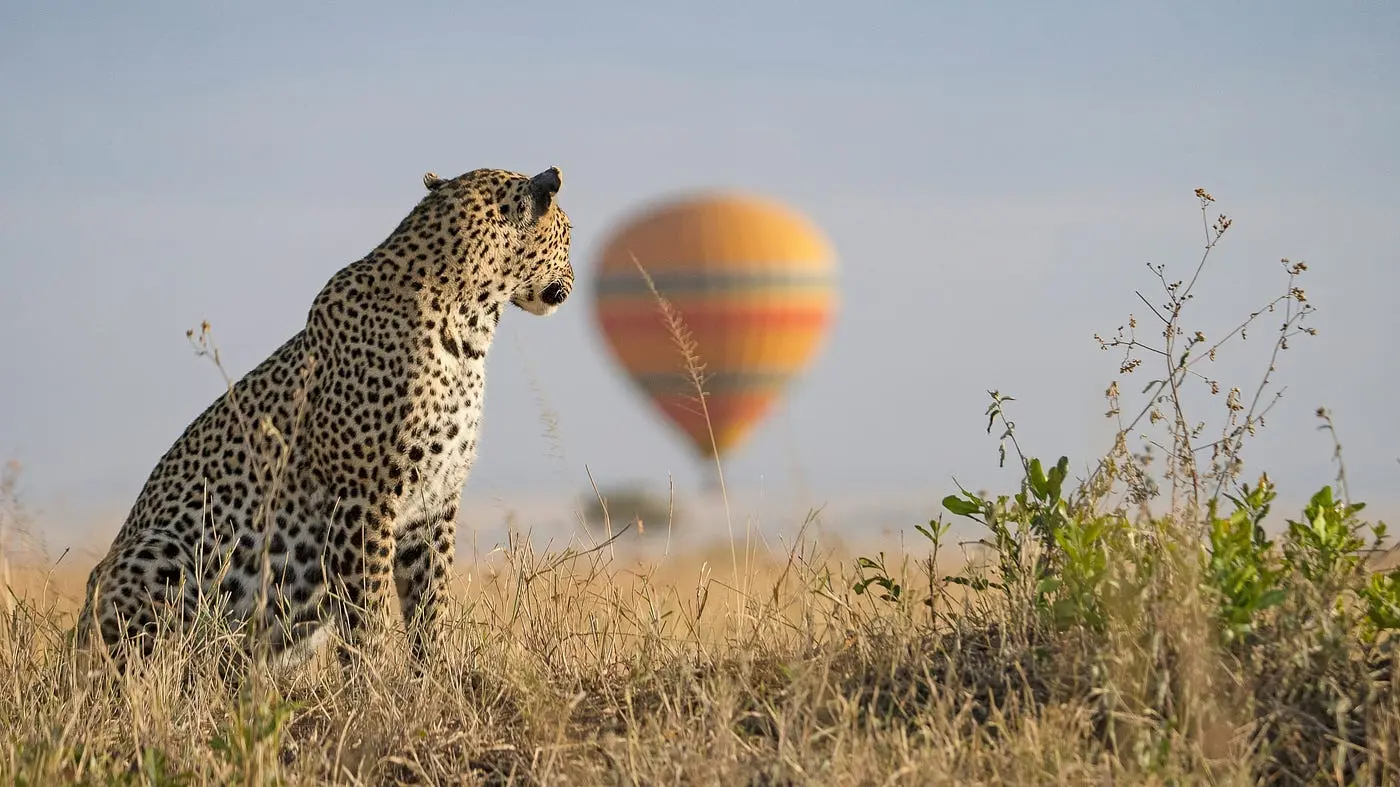
Game drives in the Serengeti start early, usually around 6 am. The morning hours are the best time to see predators because they are still active from the night. The vehicles are open-topped or have pop-up roofs, giving a clear view of the surroundings. Guides communicate with each other by radio, so if a leopard is spotted in one area, other guides soon know. That does not mean the park feels crowded; the Serengeti is enormous, and vehicles spread out.
Lunch is often a picnic in the bush or a return to the lodge, depending on the distance. Afternoon drives run from about 3 pm until sunset. The golden hour before dusk provides excellent light for photography and tends to bring out more animal activity. Night drives are rarely permitted inside the national park boundaries, but some lodges on private land offer them.
Patience is the most important quality on a safari. Animals do not appear on schedule. You might drive for an hour without seeing anything large, then round a corner and find a lioness with cubs. The guides are skilled at reading tracks and listening to bird calls, but they cannot guarantee sightings. The best approach is to enjoy the landscape and the smaller wildlife as much as the big cats and elephants.
Making the Most of a Short Safari
A two-night safari from Zanzibar gives you two full days of game viewing. That is enough to see the major species and get a feel for the ecosystem. It is not enough to visit multiple parks or to chase the migration across the entire Serengeti. If seeing the wildebeest crossing rivers is your priority, you need to be in the right place at the right time, and a short safari might not align with that. However, for most visitors, two days in the Serengeti is a rewarding experience that leaves you wanting more rather than feeling burned out.
Choosing a tailor-made tour matters because the itinerary can be adjusted to your interests. If you are a birdwatcher, the guide can spend more time in woodland areas. If you are a photographer, the vehicle can position for better light angles. A fixed group tour follows a set schedule, which may not suit everyone. A private arrangement allows flexibility, which is especially valuable when you have only a few days.
The logistics of a Serengeti safari from Zanzibar are simpler than they sound. Book the flights and accommodation, pack light, and trust the guide to handle the details. The contrast between the island and the savannah makes the trip memorable. One morning you are swimming in the Indian Ocean, and the next evening you are watching a sunset over the plains with elephants in the distance. That combination is hard to beat.
❧